
CONFERENCE 2026
To Test or Not to Test
24 - 25 AUGUST, 2026
THE STAR, GOLD COAST
We invite you to join us for the 2026 IAQAA Conference, themed “To Test or Not To Test”, where we will bring together Australia’s leading indoor environment professionals, investigators, and industry decision-makers for two days of expert-led sessions, panel discussions, and real-world case studies in indoor air quality testing and assessment.

Expert-led Sessions
Panel Discussions
Real-world Case Studies
Sponsors
-
![]()
Restore Solutions
Australia’s Leading Range of Water Damage Restoration Equipment, Tools & Accessories. Trusted By Professionals for Drying, Cleaning, Mould Remediation, and Flood Recovery.
-
![]()
Oceanic Laboratory Initiative
Mould Testing Analysis Servicing the Oceanic Region
-
![]()
Claims Hero
Helping you get what you deserve from your home insurance claim



Speakers
-
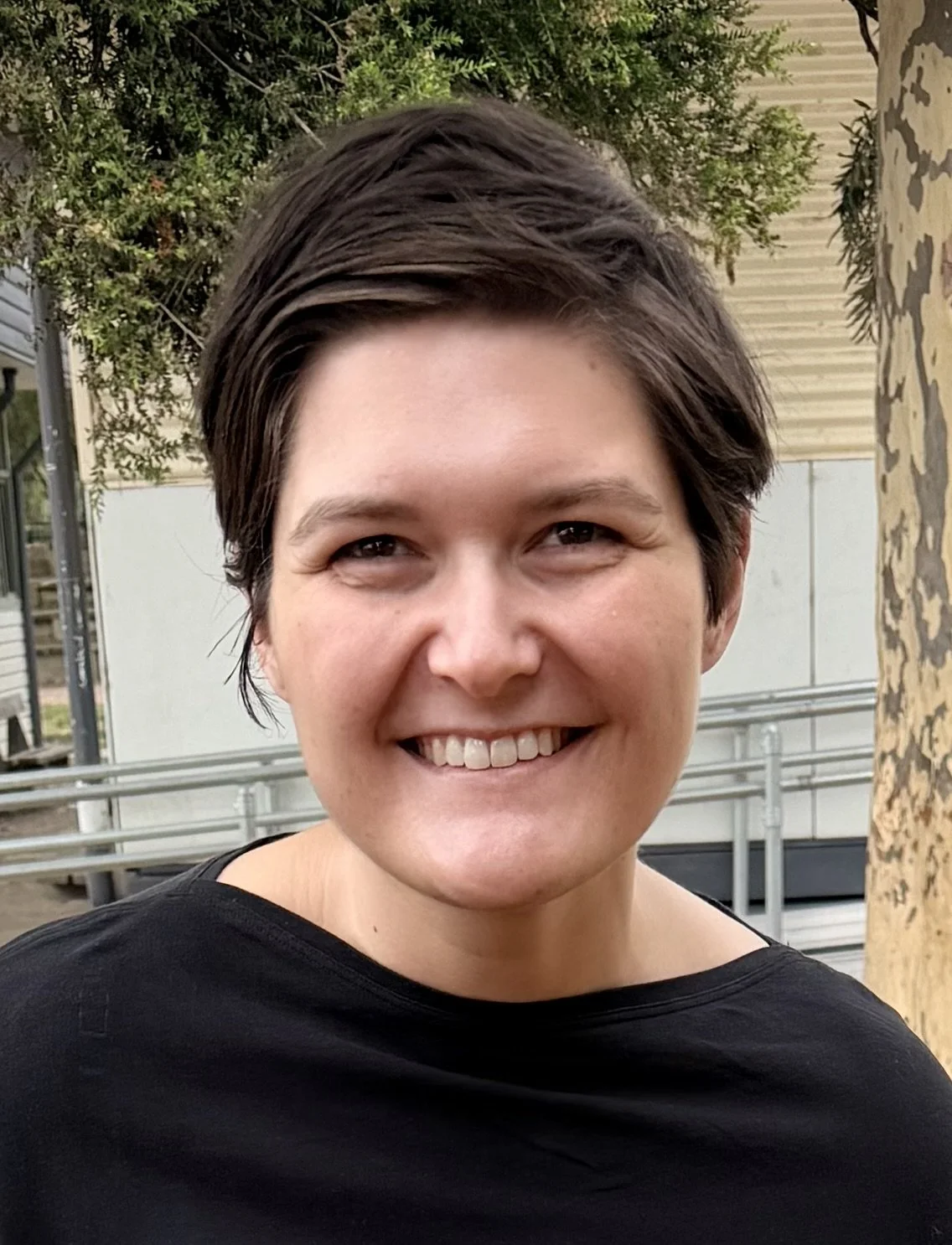
Emma Oju
From Safe Work Australia presenting on the latest Code of Practice:
Managing the risks of biological hazards at work
-
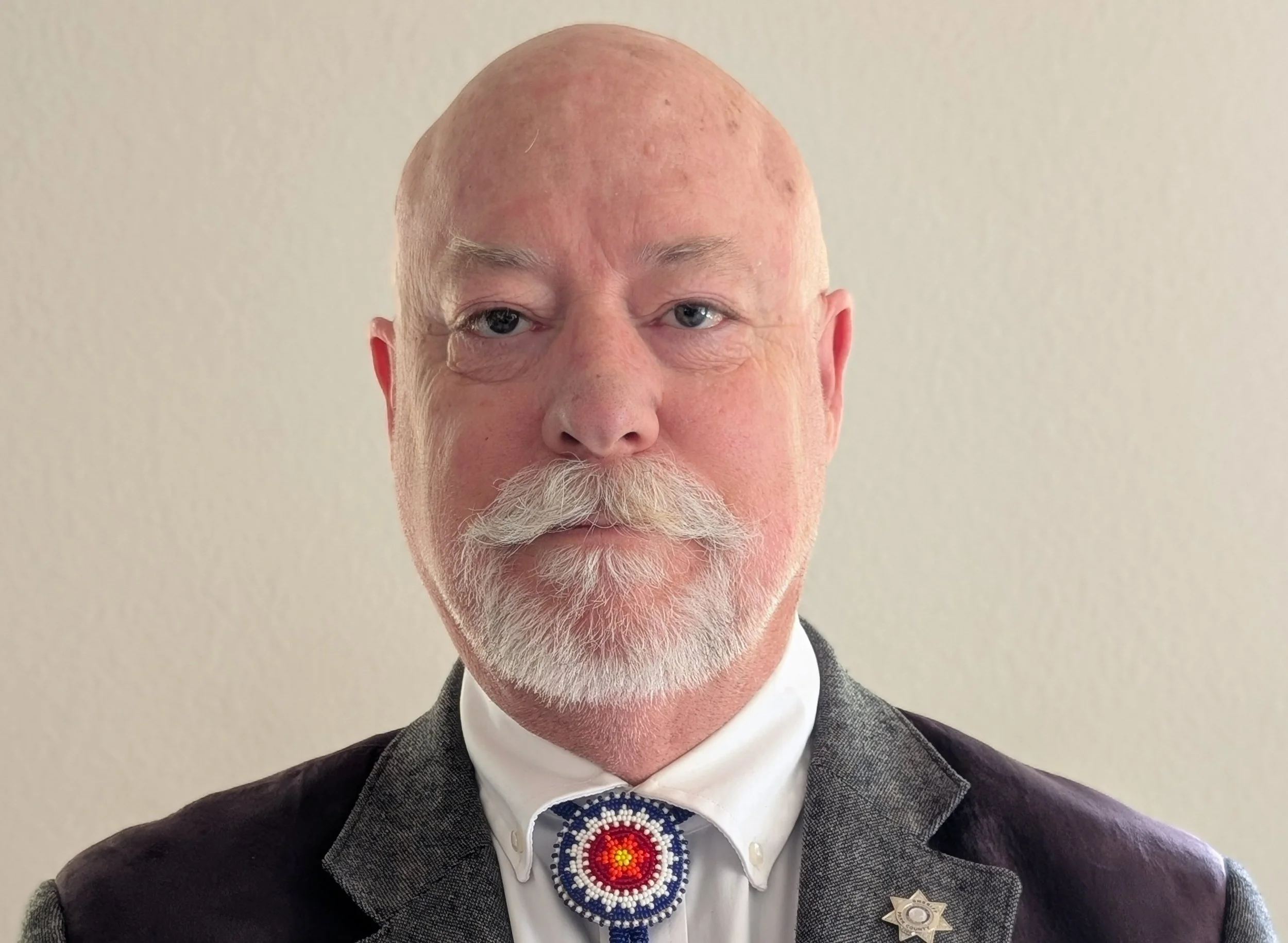
Caoimhín P Connell
Although "sampling" and "testing" for indoor moulds (and other contaminants) is commonplace, virtually none of the "sampling" currently being performed in the "mould industry" is meaningful and virtually all of the sampling is being performed with disregard for standard, scientific, sampling theory and statistical understanding.
-
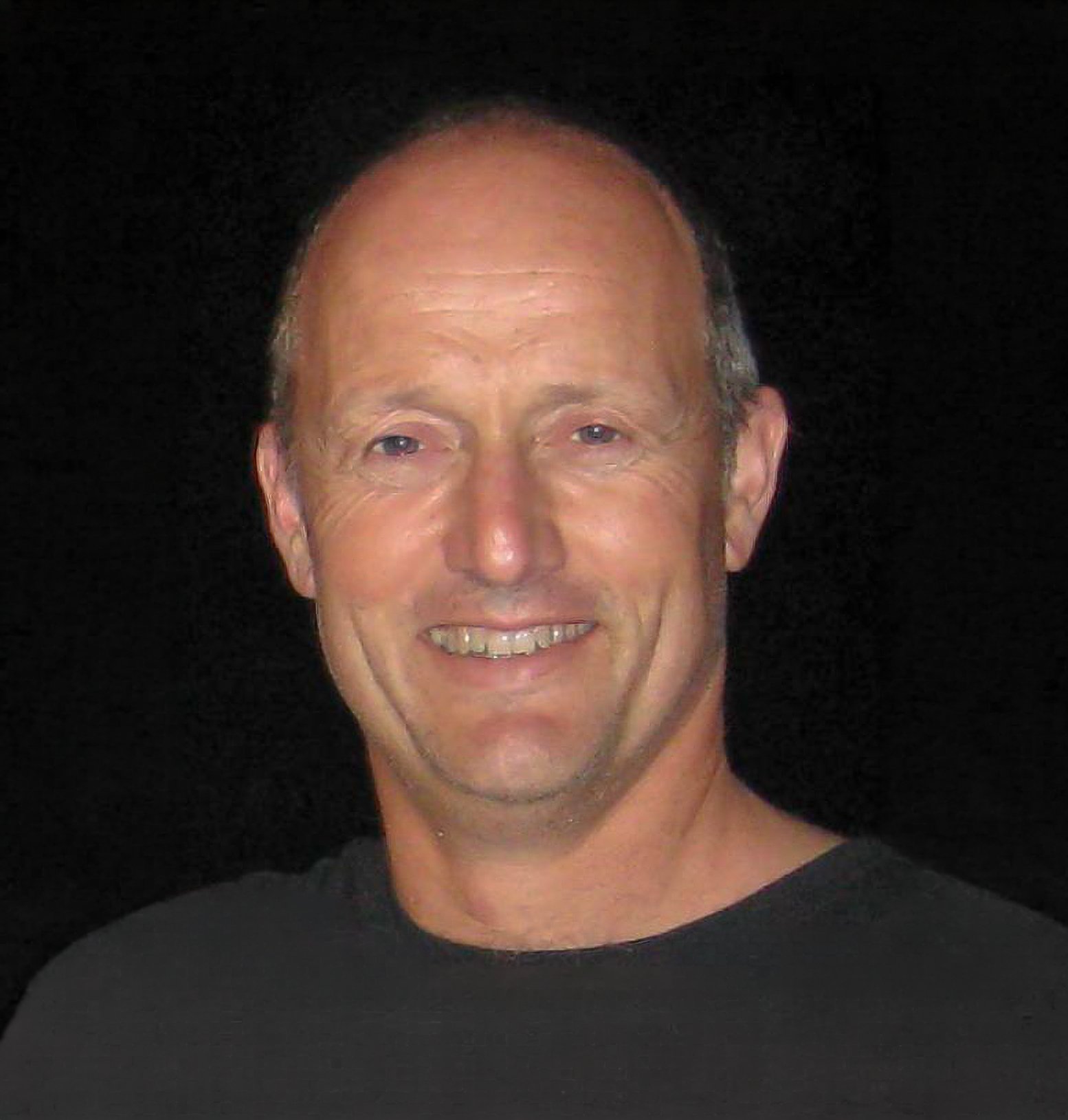
Gregor Riese
Gyms are high‑risk indoor environments with heavy breathing and poor ventilation awareness. This presentation outlines two case studies of the failures, consequences, and key insights IEQ professionals need to better understand the drivers behind poor IAQ in gym settings.
-
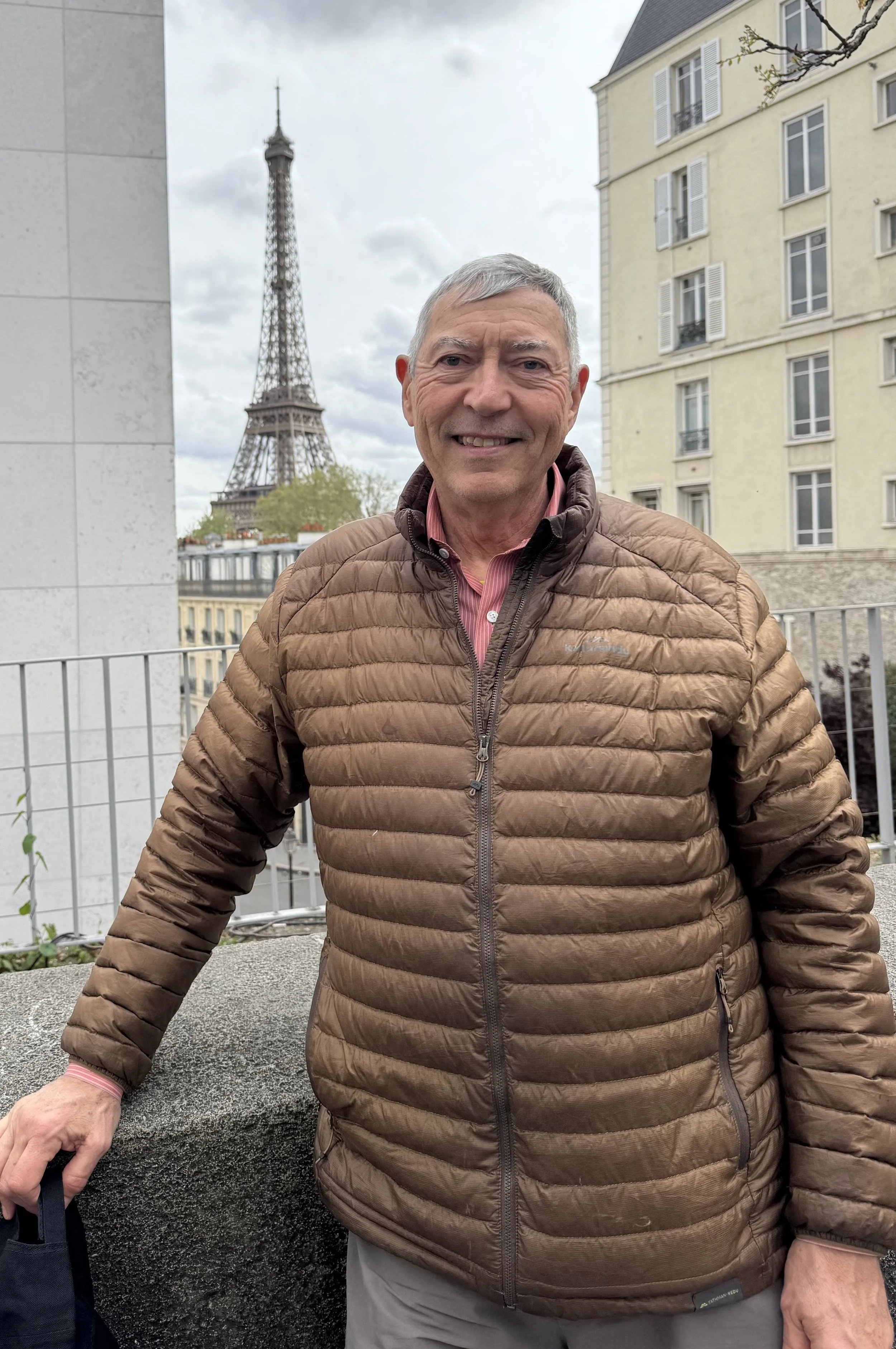
Brad Prezant
Methamphetamine sampling often lacks clear links to actual health risk. Investigation levels have evolved through confusion and miscommunication, much like a message distorted in a whisper chain.
This presentation unpacks how those misunderstandings emerged and why clarity in sampling guidance matters.
-

Ken Larsen
Water category decisions are often misjudged, with Category 1 assumed from source alone. This session explains why categorisation must be evidence‑based, showing how materials, time, contamination and documentation shape accurate determinations and defensible mitigation, reducing unsupported opinions and improving health‑protective responses.
-
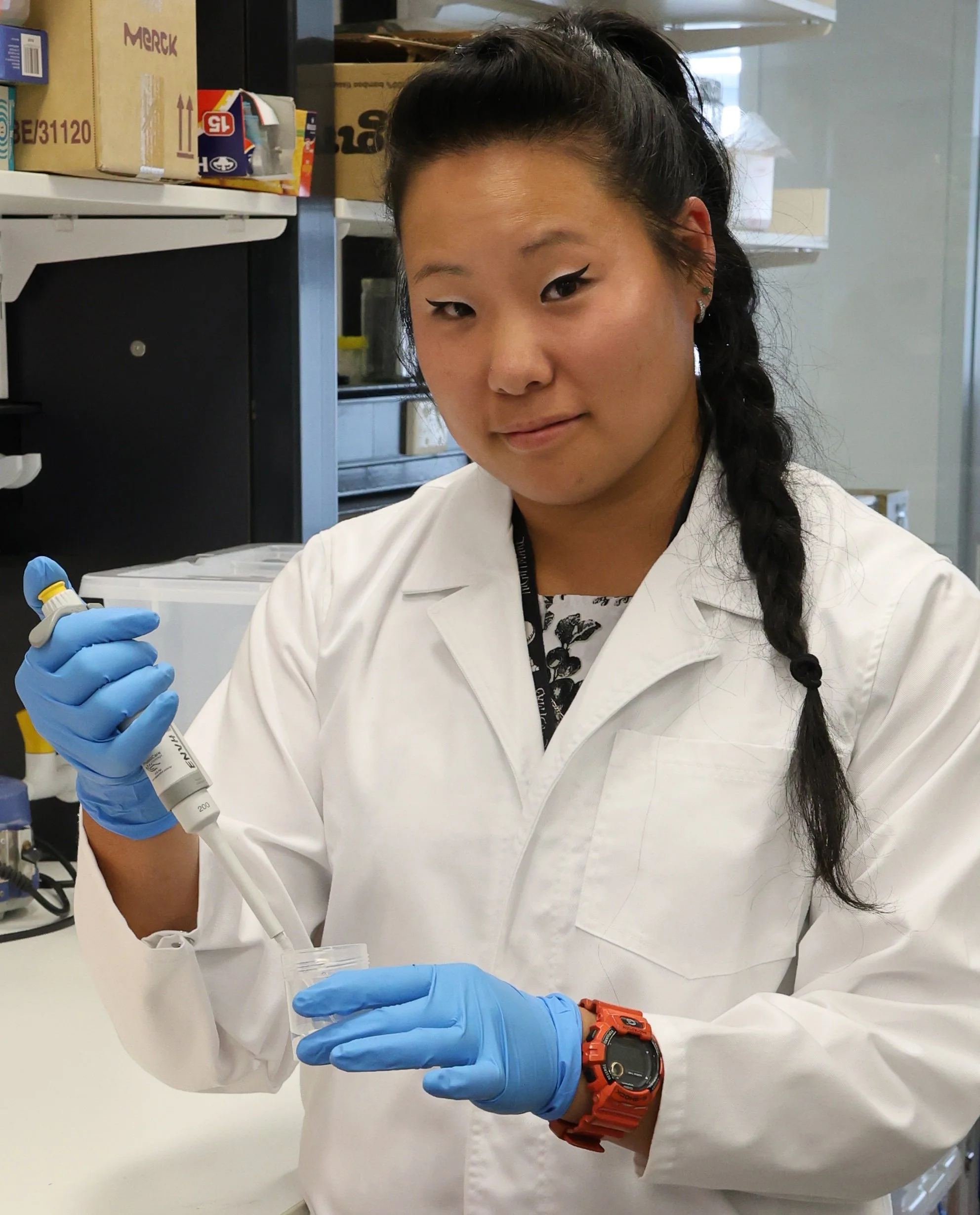
Dr. Emma Kuhn
Shifting from academic research to occupational hygiene consulting reveals a major shift in sampling practice. Academic data collection prioritises scientific aims, while consulting must balance time, cost and client expectations. Effective sampling becomes a judgement‑driven, adaptable process rather than a purely technical exercise.
-
Philipp Schluter
Airborne contamination varies widely across built environments, making filtration design impossible without precise contaminant characterisation. This presentation shows how targeted analytical methods guide correct molecular filtration selection, improve IVF and industrial outcomes, and enable predictive filter management to reduce risk and lifecycle waste.
-
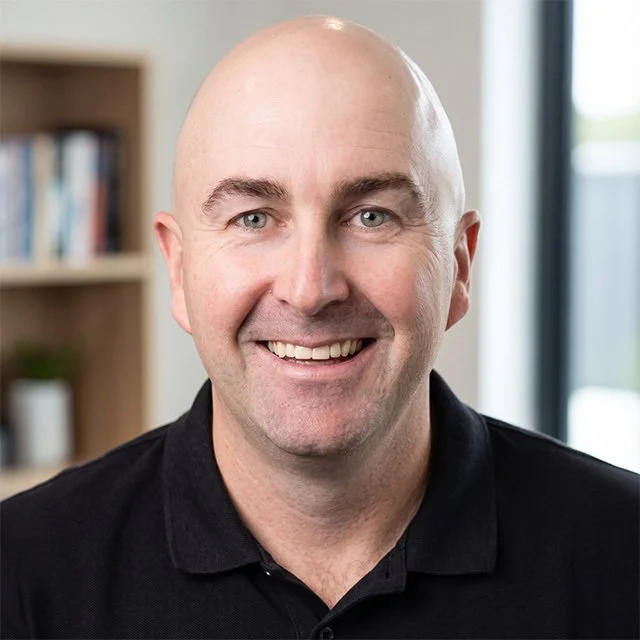
Garry Carroll
Talking about the Moisture Meter Language throughout the industry to get a consistency. Talking about standards and the difference between what insurance companies are receiving that they don't understand.
-
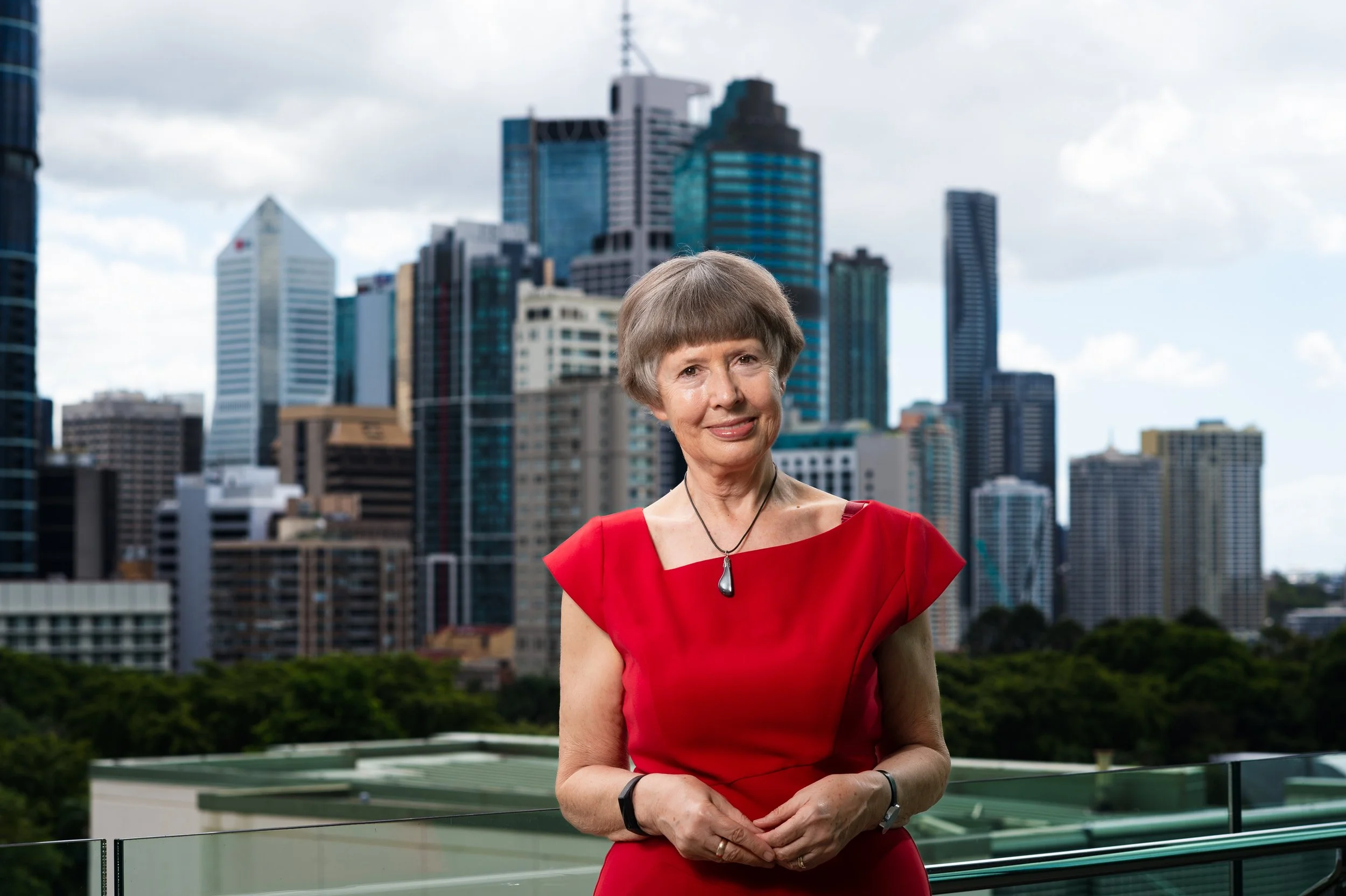
Prof. Lidia Morawska
A global representative sharing on the progresses that policy and science are making domestically and internationally presenting on the topic titled "Indoor Air Quality Measurements: what, why and how?"
-
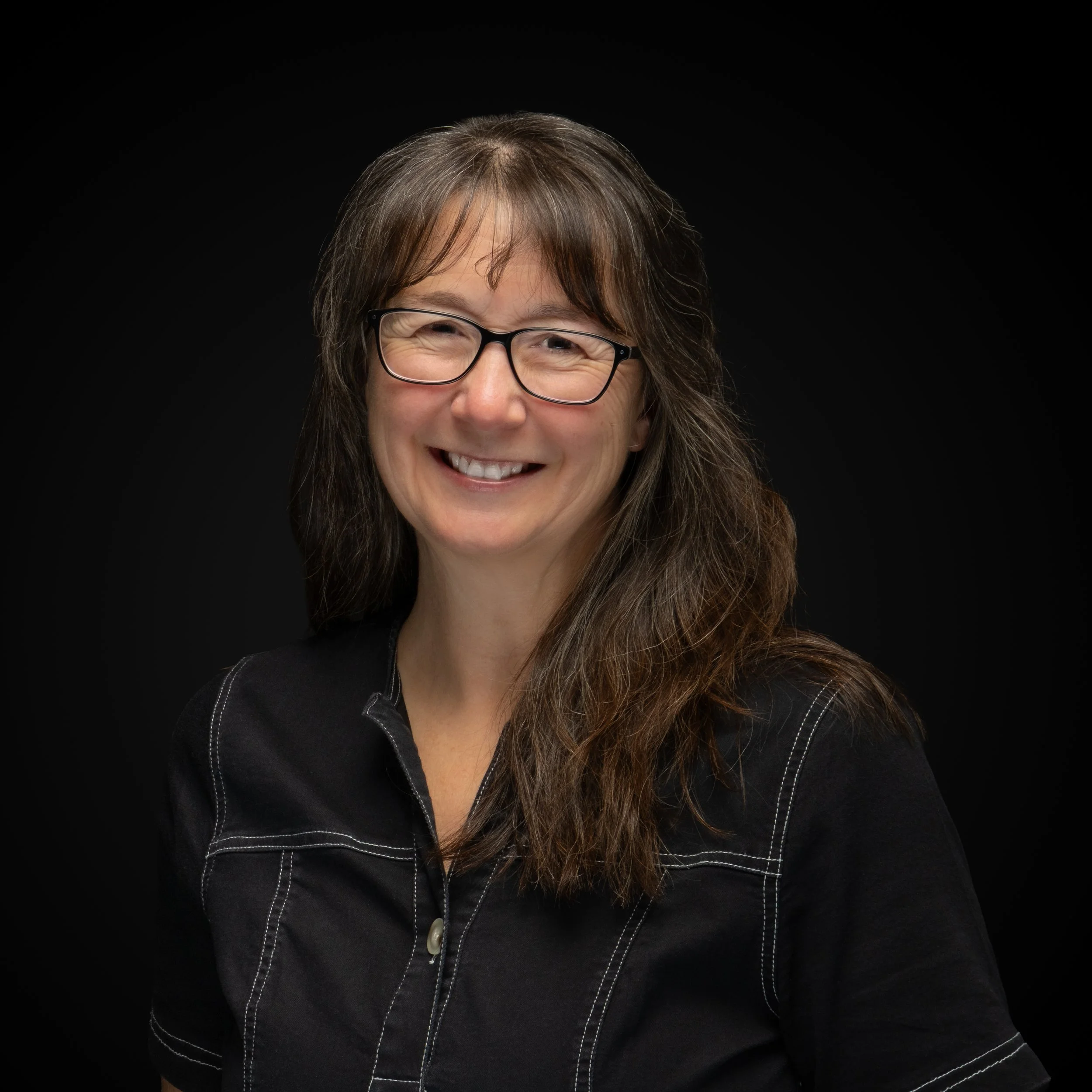
Dr. Lisa Coulburn
Hidden mould in Australian homes often persists in wall cavities, ceilings and subfloors, creating health and remediation challenges. This presentation shares occupant experiences, professional insights and emerging diagnostic technologies, highlighting why early detection and better industry awareness are essential for consistent, effective mould assessment and remediation.
-
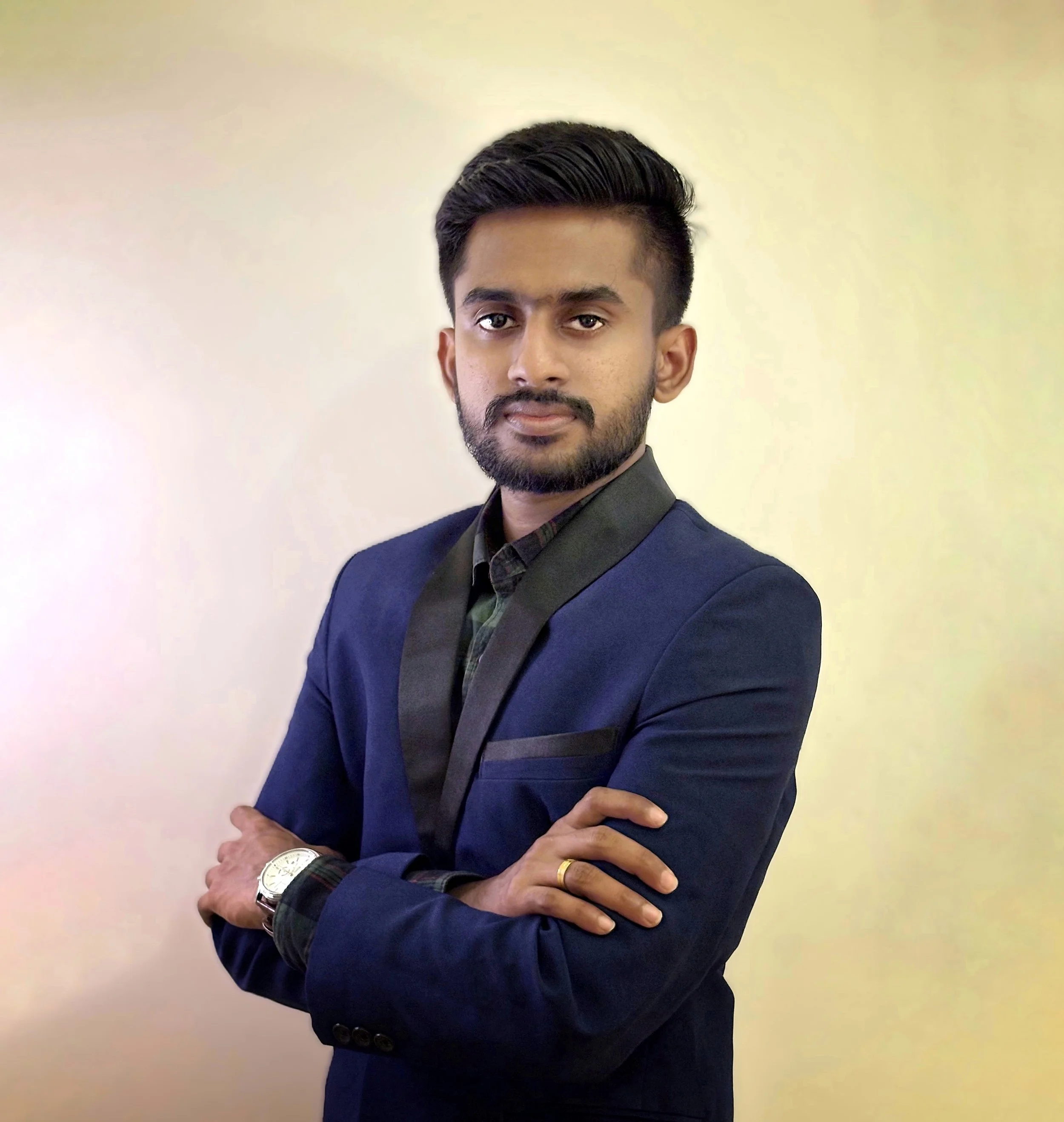
Punsara Dharaka
This presentation evaluates 30 KOALA low‑cost air quality sensors for PM2.5 monitoring in Brisbane classrooms. After co‑location with reference instruments and humidity‑based data correction, individual calibration factors were developed. The project will deliver validated classroom PM2.5 data across six schools by 2026.
Room Location
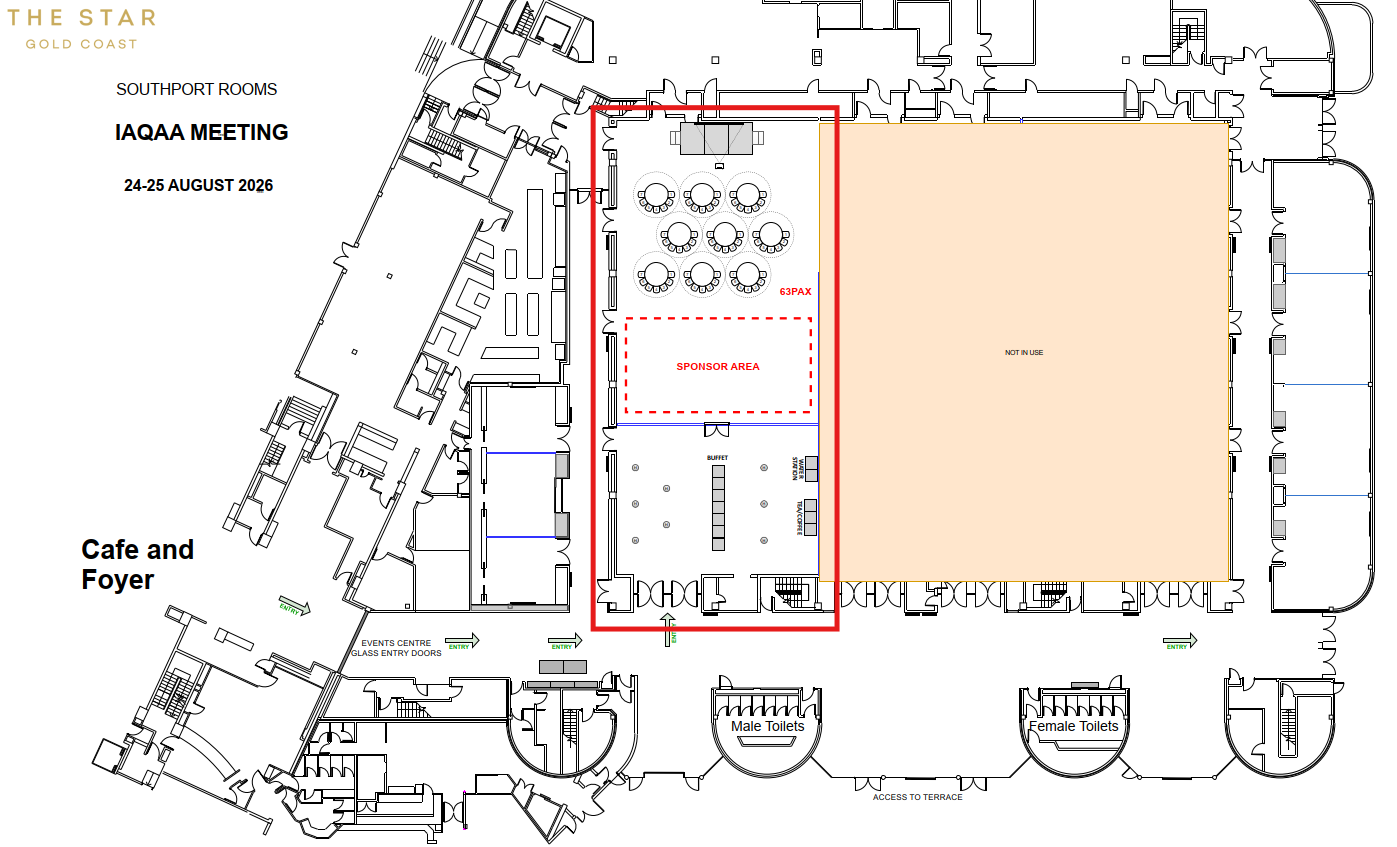
DAY 1: Monday 24 August 2026
8:00 AM
Registration & Coffee
9:00 AM
IAQAA 2026 President's Welcome
Bryan Jepsen
Session 1
Moderator: Bryan Jepsen, IAQAA President
9:10 AM
Speaker: Emma Oju (SafeWork Australia)
Code of Practice: Managing the Risks of Biohazards at Work
9:45 AM
Speaker: Distinguished Professor Lidia Morawska
Indoor Air Quality Measurements: What, Why and How?
10:35 PM
Speaker: Dr. Heike Neumeister-Kemp on behalf of QUT Thrive
Project Update - Why Do We Need Legislation for Testing
10:50 AM
Morning Tea
11:10 AM
Speaker: Ken Larsen (USA, online via Zoom)
Water Categorisation Should Not Be Guessed
12:00 PM
Lunch
Session 2
Practical Perspectives
Moderator: Charles Bodas, IAQAA Secretary
1:00 PM
Speaker: Philipp Schluter (Camfil)
Characterisation Before Specification
1:30 PM
Speaker: Punsara Dharaka
Calibration of Low-Cost PM2.5 Sensors
2:00 PM
Speaker: Gregor Riese
A Tale of Two Gyms
2:30 PM
Afternoon Tea
Session 3
Mould and Moisture
Moderator: Emma Kuhn, IAQAA Committee Member
2:45 PM
Speaker: Garry Carroll
Moisture Meter Language
3:15 PM Sponsor Session: Oceanic Lab Initiative
Speaker: Katie Rolfe
Looking at Surface Samples
3:45 PM
Speaker: Dr. Lisa Coulburn
Hidden Mould in Australian Homes: Experiences, Challenges and Emerging Solutions
4:15 PM
Day 1 Wrap Up & Closing Address
DAY 2: Tuesday 25 August 2026
8:00 AM
Registration & Coffee
9:00 AM
President's Welcome to Day 2 and IAQAA Update
Session 1
To Test Or Not To Test?
Moderator: Kylie Allan, IAQAA Committee Member
9:10 AM
Speaker: Caiomhin Connell (USA, online)
Sampling and Analysis: What Do Results Really Tell Us?
10:00 AM
Speaker: Brad Prezant
Methamphetamine Sampling: Facts, Fiction, and Finagling
10:30 AM
Morning Tea
Session 2
To Test Or Not To Test? Part 2
Moderator: Jamie Jacobi, IAQAA Committee Member
10:45 AM
Speaker: Dr. Emma Kuhn
Thoughts of a Pivoting Academic: Sampling - To What End?
11:15 AM
Panel Discussion
To Test Or Not To Test?
Moderator: Jamie Jacobi
Panelists: Jim Bethel, Brad Prezant, Luke Dugdell and Jason Pickering
12:15 PM - 1:00 PM
Lunch
Session 3
1:00 PM
Bayesian Decision Making Workshop
Moderators: Bryan Jepsen and Jamie Jacobi
This is a continuation on the 2024 Conference. It is recommended that attendees watch the video to become familiar to the torch can be carried for this workshop. View HERE
1:10 PM
Panel Speakers: Dr Sama Low-Choy & Prof. Anne Roiko (Adelaide University)
The Bayes Method: How Can It Be Applied to Drive the Industry Forward Through Agreements and Disagreements?
2:30 PM - 2:45 PM
Afternoon Tea
Session 4
Bayesian Decision Making (Continued)
3:00 PM
Panel Speakers: Dr Sama Low-Choy & Prof. Anne Roiko (Adelaide University)
The Bayes Method: How Can It Be Applied to Drive the Industry Forward Through Agreements and Disagreements?
4:30 PM
Conference Closing Comments
Bryan Jepsen, IAQAA President
4:40 PM
Conference Close